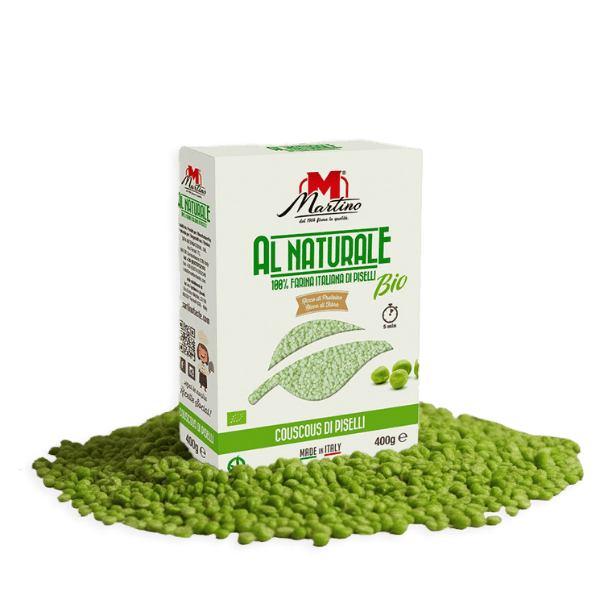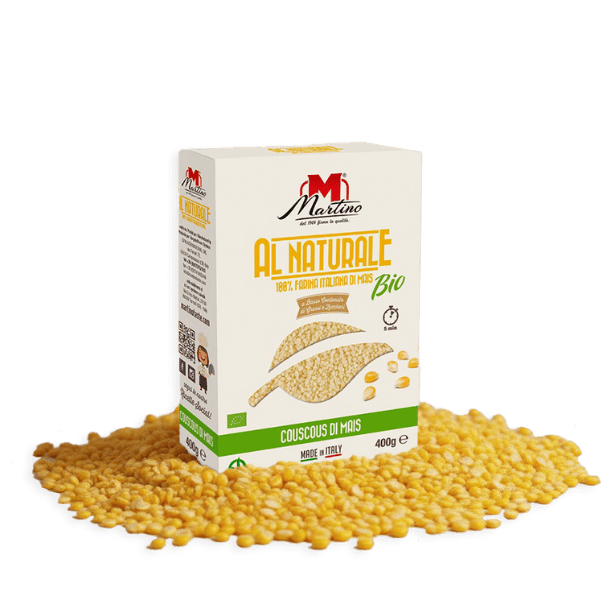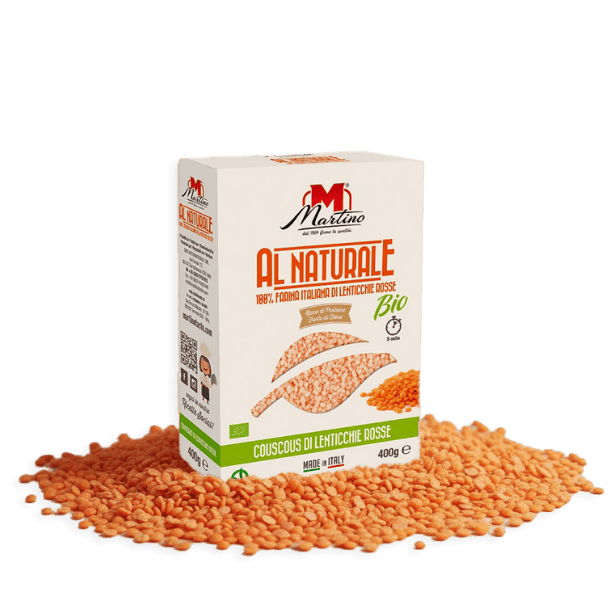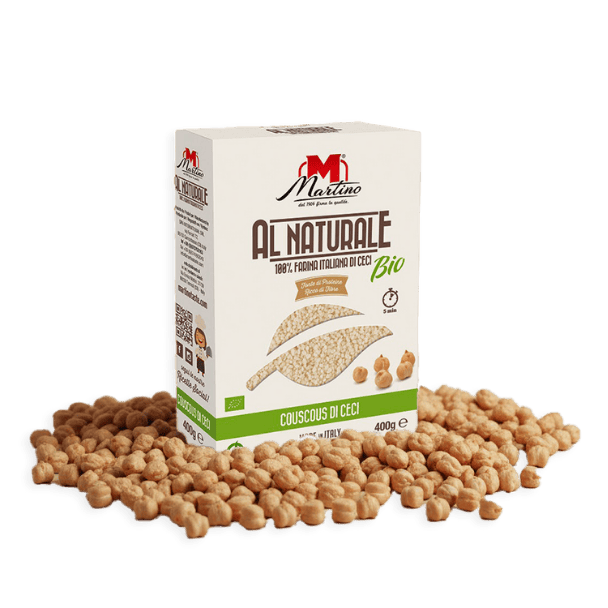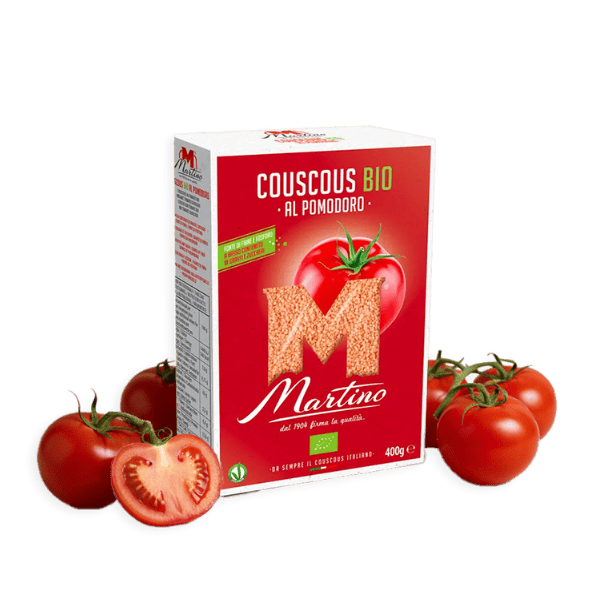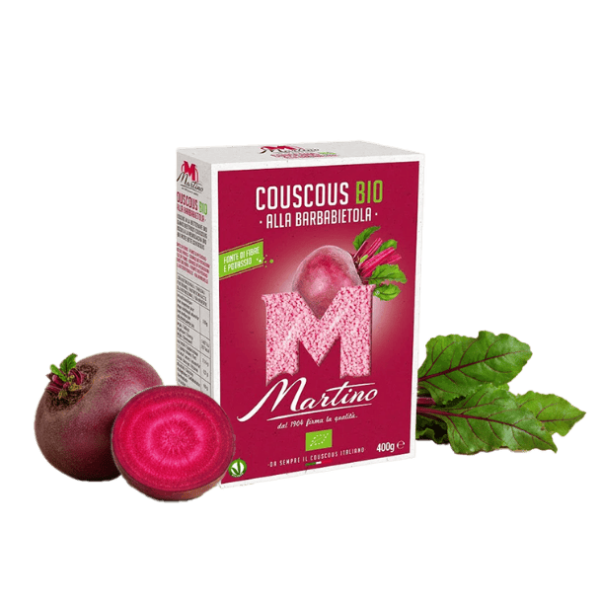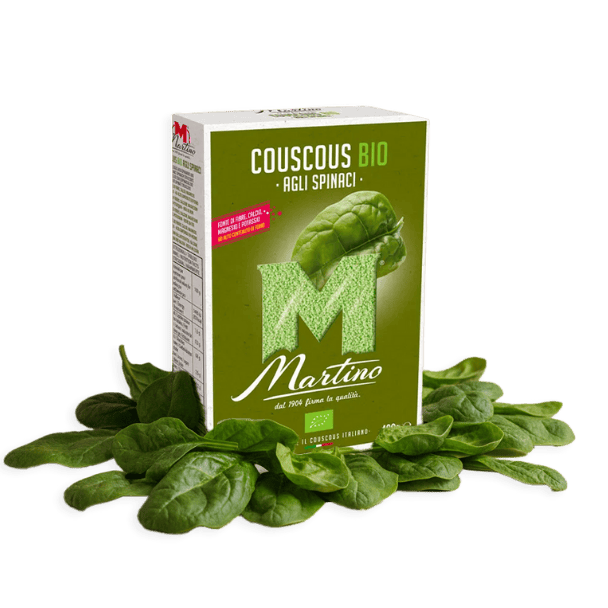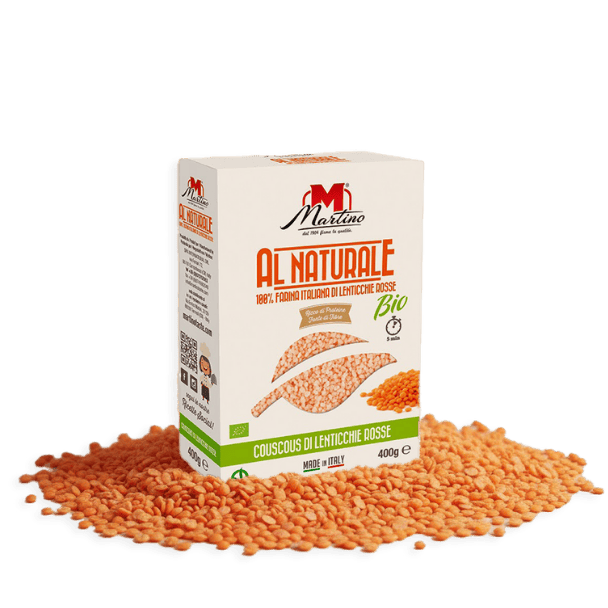





Organic

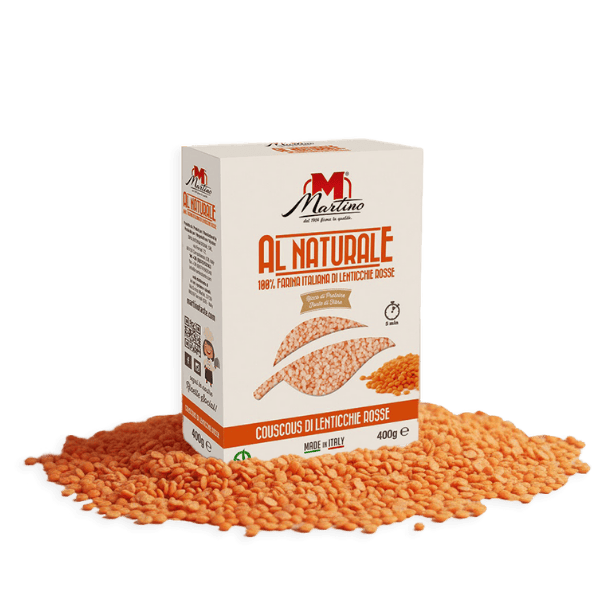
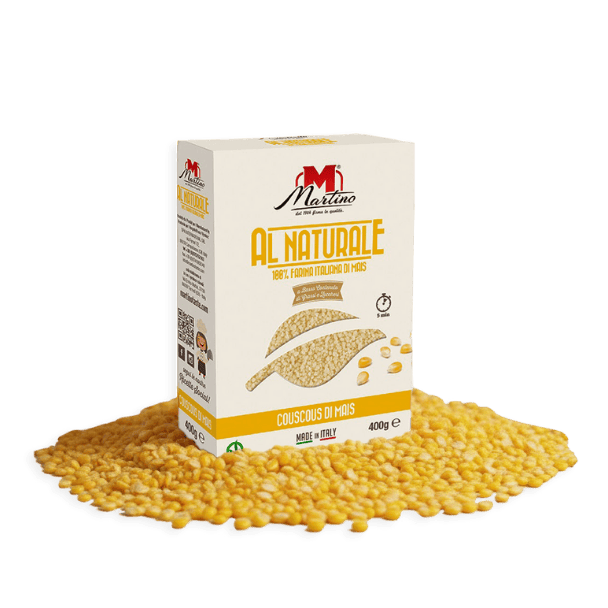
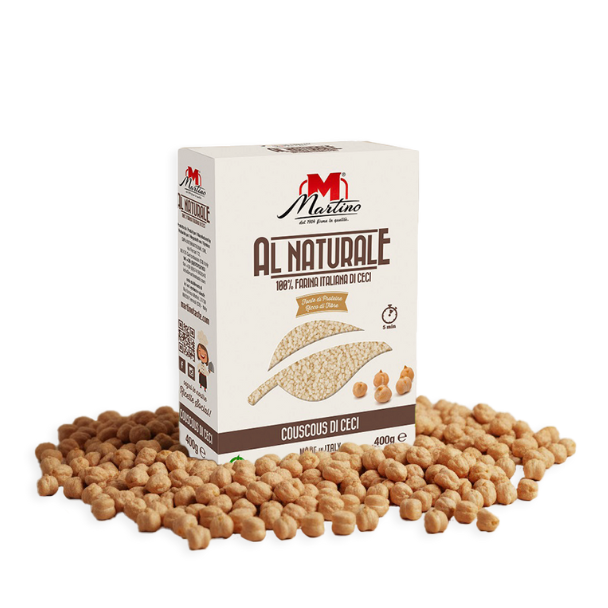
Natural

Spiced




BRC – British Retail Consortium
International standard for food quality and safety.
The BRC certification is one of the most rigorous and globally recognized standards in the agri-food sector. What a company must comply with to obtain BRC certification.
Standards Martino must comply with for BRC:
-Food safety management system: implement and maintain procedures based on HACCP.
-Quality control: constant monitoring to ensure products meet agreed specifications.
-Complete traceability: ability to trace the origin of raw materials and the product’s journey at any time.
-Supplier management: checks and controls to ensure that suppliers also meet quality and safety standards.
-Suitable environment and facilities: compliant, clean, and safe production premises.
-Hygiene and staff training: strict hygiene rules and continuous training of operators.
-Process control: documented and constant management of production phases.
-Allergen management: clear procedures to prevent cross-contamination.
-Emergency plans and risk management: readiness to handle recalls or food safety incidents.
-Internal audits and continuous improvement: periodic checks to ensure constant compliance with the standard and process evolution.
IFS – International Food Standard
Control, quality, and safety for large-scale distribution
The IFS certification is an international standard designed for suppliers of the Organized Large Distribution (GDO), aiming to ensure quality, safety, and regulatory compliance throughout the entire food product supply chain. Food safety: apply procedures that ensure product wholesomeness (e.g., HACCP).
Standards that Martino must comply with for IFS:
– Product quality: ensure characteristics are consistent and meet declared standards.
-Supplier management: evaluate and control the quality and safety of purchased raw materials.
– Traceability: ability to trace the origin of raw materials and follow the entire path to the final product.
– Controlled production processes: constant monitoring of machinery, environments, and production lines.
– Hygiene and staff safety: continuous training and compliance with hygiene and sanitary rules during production.
– Risk management: procedures to reduce and prevent physical, chemical, or microbiological contamination.
– Internal audits: periodic checks to ensure standard maintenance.
– Continuous improvement: the company must demonstrate that it constantly updates and innovates processes and controls.
The SMETA (Sedex Members Ethical Trade Audit) certification is an international standard that evaluates ethical and social conditions throughout the production chain, aiming to ensure respect for workers’ rights, workplace safety, and the company’s environmental impact.
Standards that Martino must comply with for SMETA:
Fair working conditions: respect for human rights, prohibition of child or forced labor, freedom of association, and equal treatment for all workers.
Health and safety: safe working environments, with protective equipment, adequate training, and emergency management procedures.
Environmental management: responsible use of natural resources, proper waste management, and reduction of environmental impacts.
Business ethics: transparent business practices, compliance with the law, and prevention of corruption.
Traceability and documentation: availability of documented evidence on all processes to ensure compliance with SMETA criteria.
Independent audits: checks carried out by third parties to verify the actual application of ethical and social standards.
Continuous improvement: implementation of corrective plans and initiatives to ensure the sustainable development of the company and the supply chain.
Bio Suisse Organic
With the aim of meeting the strict standards of organic farming and prioritizing sustainable agricultural practices that promote soil health, biodiversity, and water conservation, Martino has enthusiastically and committedly adhered to the Bio Suisse standards, obtaining the same Certification that grants it the right to sell its products as BIO SUISSE ORGANIC.
Standards Martino must comply with for Bio Suisse Organic:
– GMO prohibition: absolute exclusion of genetically modified organisms.
– Sustainable use of natural resources: protection of biodiversity, crop rotation, soil and water conservation.
– Animal welfare: stricter rules than European ones, with adequate spaces, outdoor access, and organic feeding.
– Gentle processing: limited use of additives, processes that maintain the product’s naturalness.
– Global sustainability: attention to transport, packaging, and emission reduction.
– Social equity: respect for workers’ rights and transparent relationships with business partners.
– Complete traceability: controls throughout the supply chain, from field to final product.
– Regular inspections: strict and frequent audits by accredited certifying bodies.
Kosher
Kosher certification is a certification that attests to the compliance of products with Jewish dietary laws (Kashrut) that prohibit the use of pork, shellfish, and derivatives.
Standards that Martino must comply with for Kosher:
-Source control: all raw materials must have Kosher certification or be approved by the certifying rabbi.
-Separation of milk and meat: absolute prohibition of mixing meat-based ingredients with those based on milk.
– Dedicated facilities and lines: machinery and utensils must be Kosher or subjected to purification procedures (Kasherization).
– Traceability: the company must ensure that Kosher compliance is respected at every stage.
– Rabbinical supervision: a rabbi or a Kosher certifying body checks ingredients, processes, and establishments.
– Regular audits and visits: constant checks to confirm the maintenance of requirements.
– Labeling: certified products bear a recognized Kosher symbol (e.g., K, OU, Star-K).
Organic
Producing ORGANIC means transforming organic raw materials into certified ORGANIC foods. The certification of organic products is a “supply chain” system, therefore MARTINO, for the transformation phase, acquires certified organic raw materials and dedicates appropriate spaces and production lines to avoid the risk of cross-contamination. Organic raw materials: at least 95% of the ingredients must come from certified organic crops.
Standards Martino must comply with for ORGANIC:
-Absence of pesticides and chemical fertilizers: the use of synthetic chemical products is prohibited.
– No GMOs: total exclusion of genetically modified organisms.
-Sustainable agricultural practices: crop rotation, soil fertility protection, biodiversity respect.
-Control in processing: processes that maintain the natural characteristics of foods, with limited use of allowed additives.
-Traceability and transparency: complete traceability from field to finished product.
-Separation from conventional production: avoid contamination with non-organic products.
– Regular inspections and audits: regular checks by authorized certifying bodies.
VEGANOK is the first and only Ethical certification for Vegan products born in Italy. This certification ensures that products adhering to the guidelines do not contain animal derivatives and that no animal testing has been conducted. No animal-origin ingredients: total exclusion of meat, fish, milk, eggs, honey, and derivatives.
Standards Martino must comply with for VEGANOK:
– Absence of GMOs and animal testing: prohibited for both the finished product and raw materials.
-Certified raw materials: use only ingredients that comply with the vegan standard.
-Controlled production process: prevention of cross-contamination with non-vegan ingredients.
-Transparent packaging: clear labels that comply with the standard.
-Ethical and environmental responsibility: the company’s commitment to following sustainable and environmentally respectful practices.
-Periodic checks: audits and controls to ensure constant compliance with requirements.
Naturland is an international association that works to promote organic agriculture. The Naturland certification meets the strictest internationally recognized standards. Organic production: compliance with the EU regulation for organic, without chemical pesticides, synthetic fertilizers, or GMOs.
Standards Martino must comply with for Naturland
-Environmental protection: agricultural practices that preserve biodiversity, soil fertility, and natural resources.
-Gentle processing: production methods that maintain the naturalness of foods, with limited use of additives.
-Animal welfare: if involved, it must be ensured with respectful farming and natural conditions.
-Social equity: respect for workers’ rights throughout the supply chain.
-Fair trade: transparent and sustainable relationships with partners and suppliers, even in developing countries.
-Complete traceability: from field to finished product, with regular checks.
-Periodic audits and inspections: independent checks to verify standard maintenance.
PEFC – Programme for the Endorsement of Forest Certification
International standard that ensures paper and cardboard packaging from sustainably managed forests. Use only PEFC certified materials for its packaging.
-Supply chain traceability (Chain of Custody): every phase, from supplier to final packaging, must be documented.
-Sustainable origin: wood and paper from responsibly managed forests.
-Environmental protection: respect for biodiversity and natural resources.
– Respect for social rights: ensure fair conditions in communities involved in forest management.
-Periodic audits: independent checks to ensure compliance.
-Correct use of the PEFC mark on packaging to communicate transparency and sustainability to the consumer.